
Tank vs. Tankless RO: The Hidden "Gross Truth" About Storage Tanks
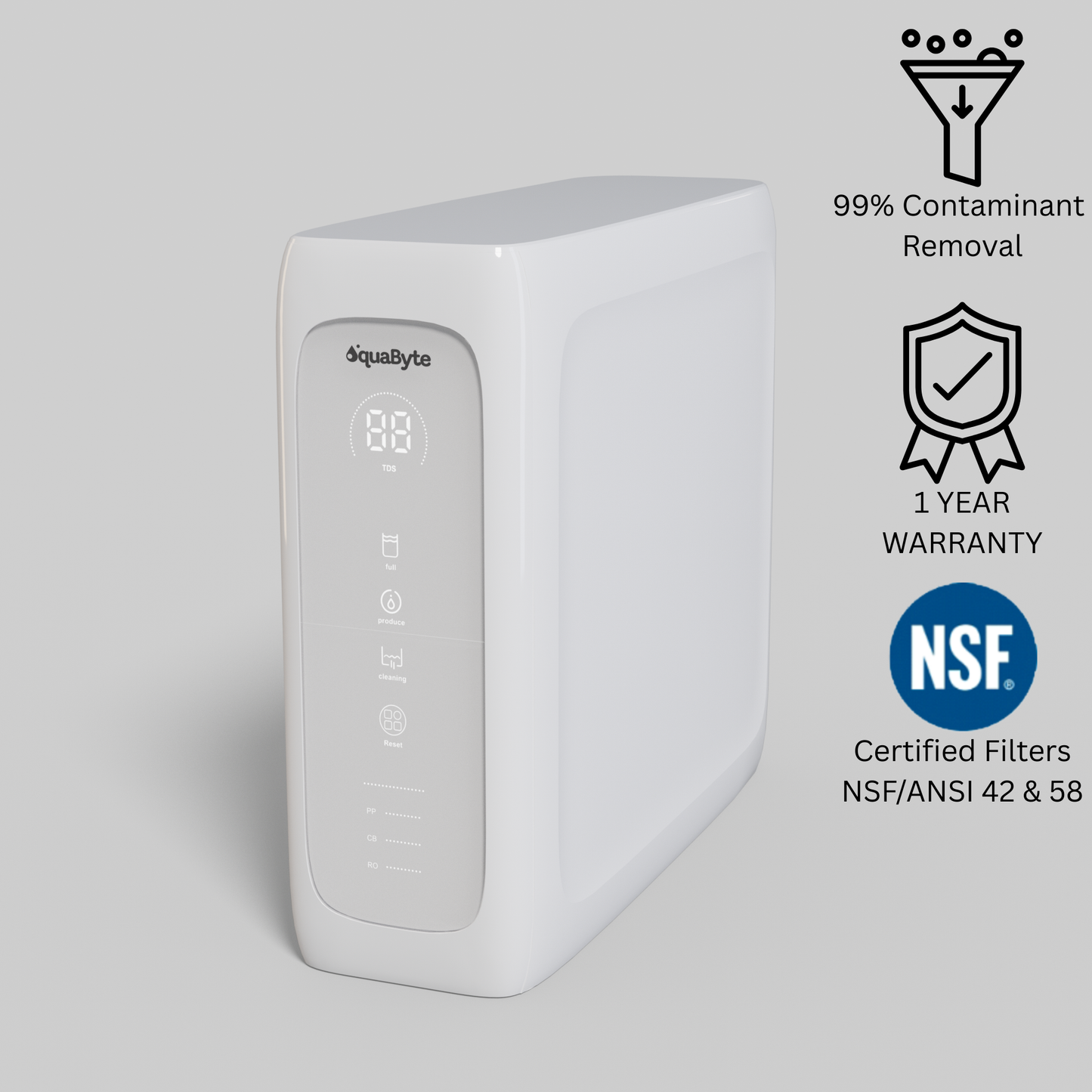
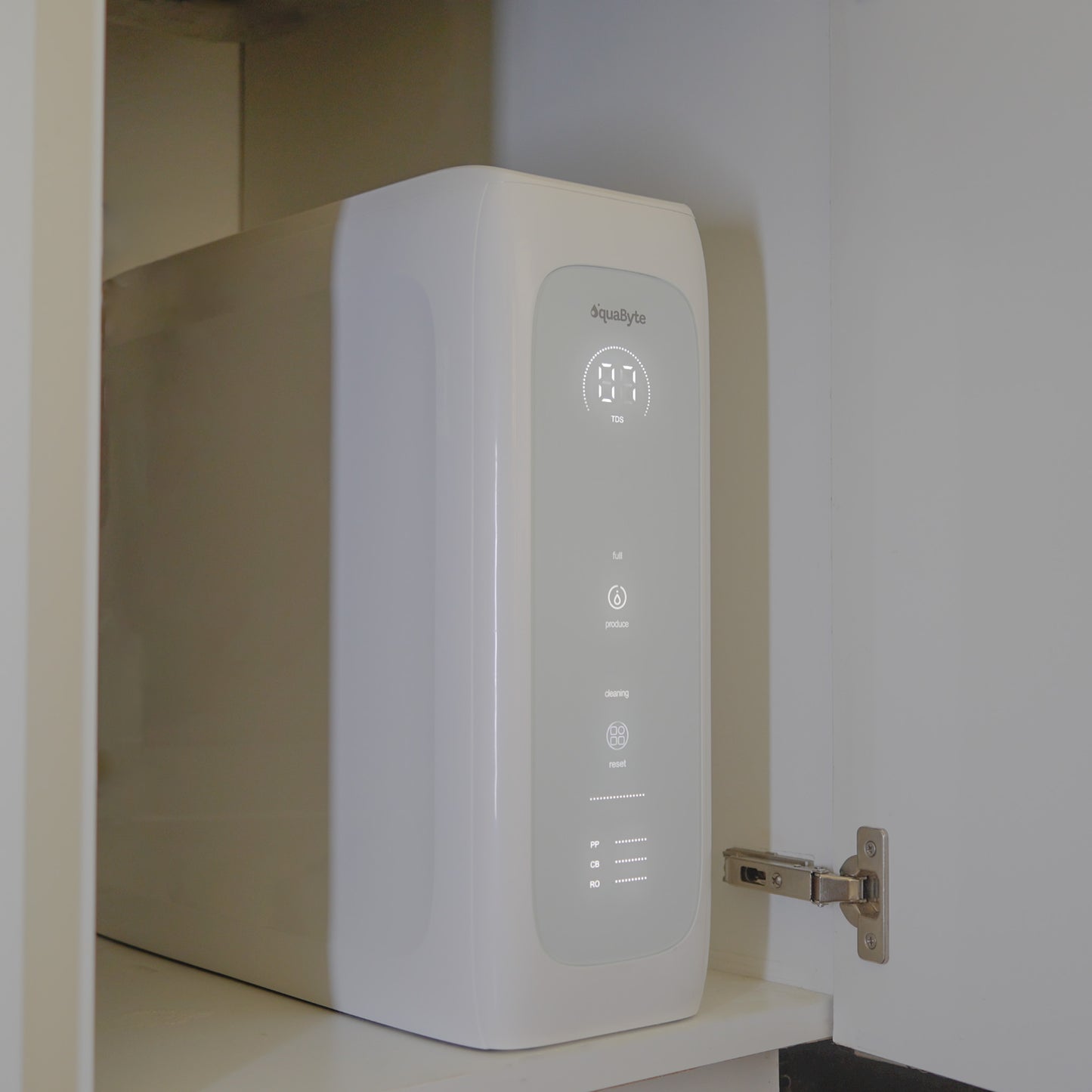
Is a tankless RO system better than a tank-based system? A tankless Reverse Osmosis (RO) system is generally considered superior to traditional tank-based models. While older systems store water in a bulky tank where it can become stagnant, modern tankless systems like the AquaByte RO make fresh, pure water on demand. This design is more hygienic, prevents potential bacteria growth (biofilm), takes up 70% less space, and offers a consistently high-flow rate without waiting.

When you think about a Reverse Osmosis (RO) water purifier, what do you visualize? Chances are, it's a bunch of filters and a big, blue or white metal tank sitting under the sink.
That tank has been the industry standard for over 30 years. It seems fine, right? Its job is to hold all that pure, filtered water so that when you turn the faucet, you get a strong flow.
But have you ever stopped to consider what’s inside that tank? Or why modern water science is rapidly moving away from them? If you care about total purity and a modern kitchen, it's time to learn the hidden "gross truth" about RO storage tanks.

The "Gross Rubber Bladder" Problem (Biofilm 101)
Traditional RO systems work slowly. They trickle purified water into the storage tank all day long. When you turn on your faucet, a pressurized rubber bladder inside that tank is what pushes the water out to you.
The water you are drinking is not "freshly filtered." It could have been sitting in that dark, pressurized metal container for days. This creates the perfect environment for a unique form of microbial growth known as Biofilm.
What is Biofilm?
Biofilm is a naturally occurring slime layer that forms when bacteria attach themselves to surfaces in a wet environment. Inside an old water tank, this can form on the internal walls and the rubber bladder [1]. While usually not pathogenic (deadly), it can absolutely cause that strange "stale tank taste" people complain about over time.
Think about this way: Would you pour a glass of water and let it sit on your counter for three days, and then drink it? Of course not. But that is essentially what you are doing with an older RO system.
Sanitization: A Massive Pain in the Butt
If you ask an older RO system manufacturer how to fix the biofilm issue, they will tell you that you need to sanitize the tank once or twice a year. This involves:
- Disconnecting the entire system.
- Pouring diluted bleach into the lines.
- Manually flushing the entire tank and all filters.
- Allowing it to cycle multiple times.
It is a difficult, messy process that almost no homeowner ever actually does. With a traditional tank, you are either drinking stale water or facing a plumbing nightmare every six months.
Stop the Sanitization Nightmare: The AquaByte RO is tankless, meaning it filters water as you drink it. There is no stagnant water to sanitize, and no bleach required. Ever. Just crisp, fresh water on demand. (👉 [Link to AquaByte RO Product Page]👈)
Tank vs. Tankless: The Head-to-Head
| Feature | Traditional Tank RO (Old Standard) | AquaByte RO (Tankless Modern Standard) | The Real World Impact |
| Freshness | Water is filtered, then stored. | Water is made on-demand. | AquaByte guarantees freshly filtered water every second. |
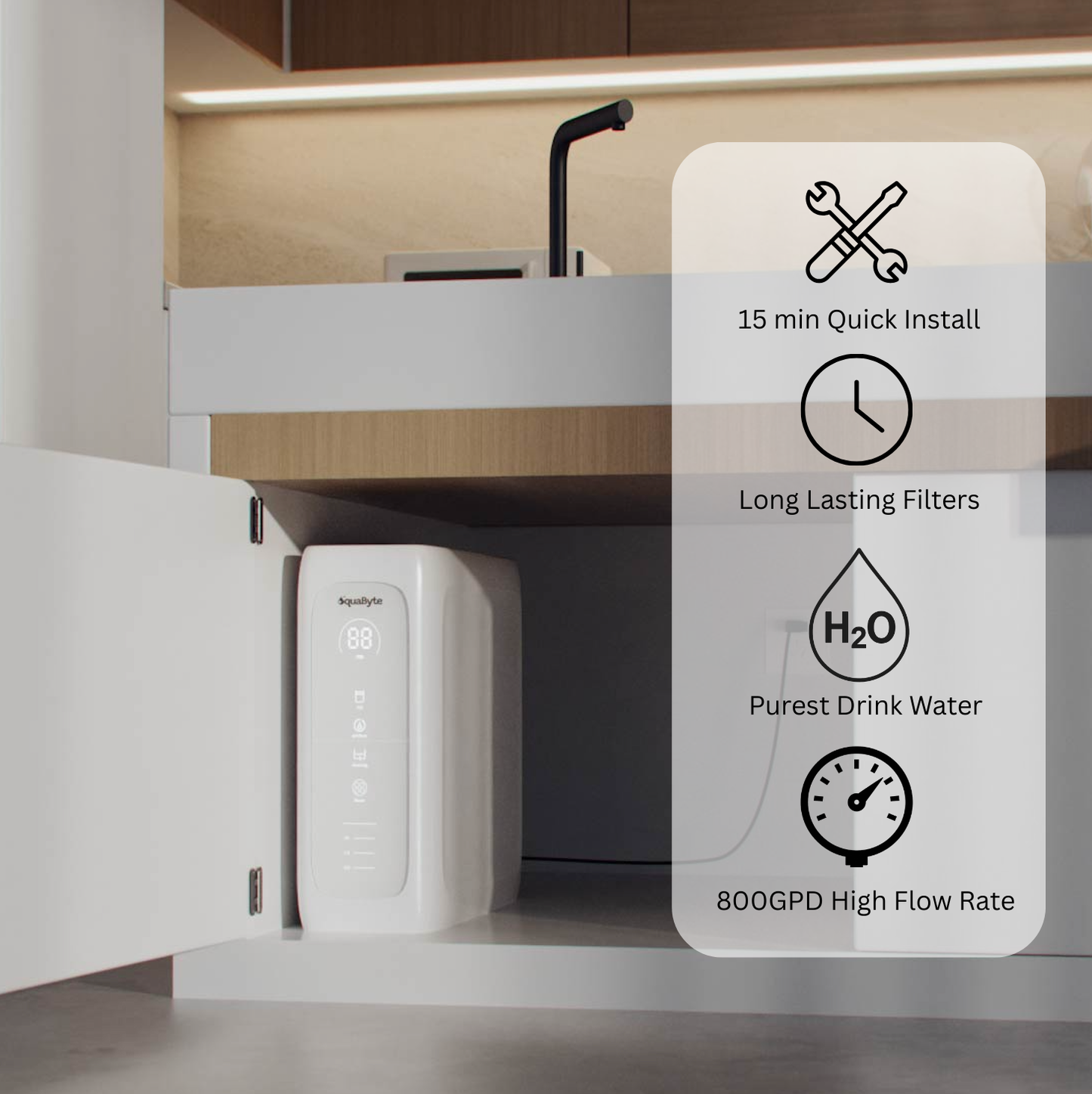
| Space | Takes up massive cabinet space. | Sleek, slim design. | Reclaim 70% of your under-sink storage. |
| Hygiene (Biofilm Risk) | Moderate Risk (Water is stagnant). | Zero Risk (Water is always moving). | Total peace of mind. |
| Flow Rate | Strong initial flow, then a slow trickle. | Consistent, high-flow (800 GPD pump). | Fast enough to fill pots and pitchers without waiting. |
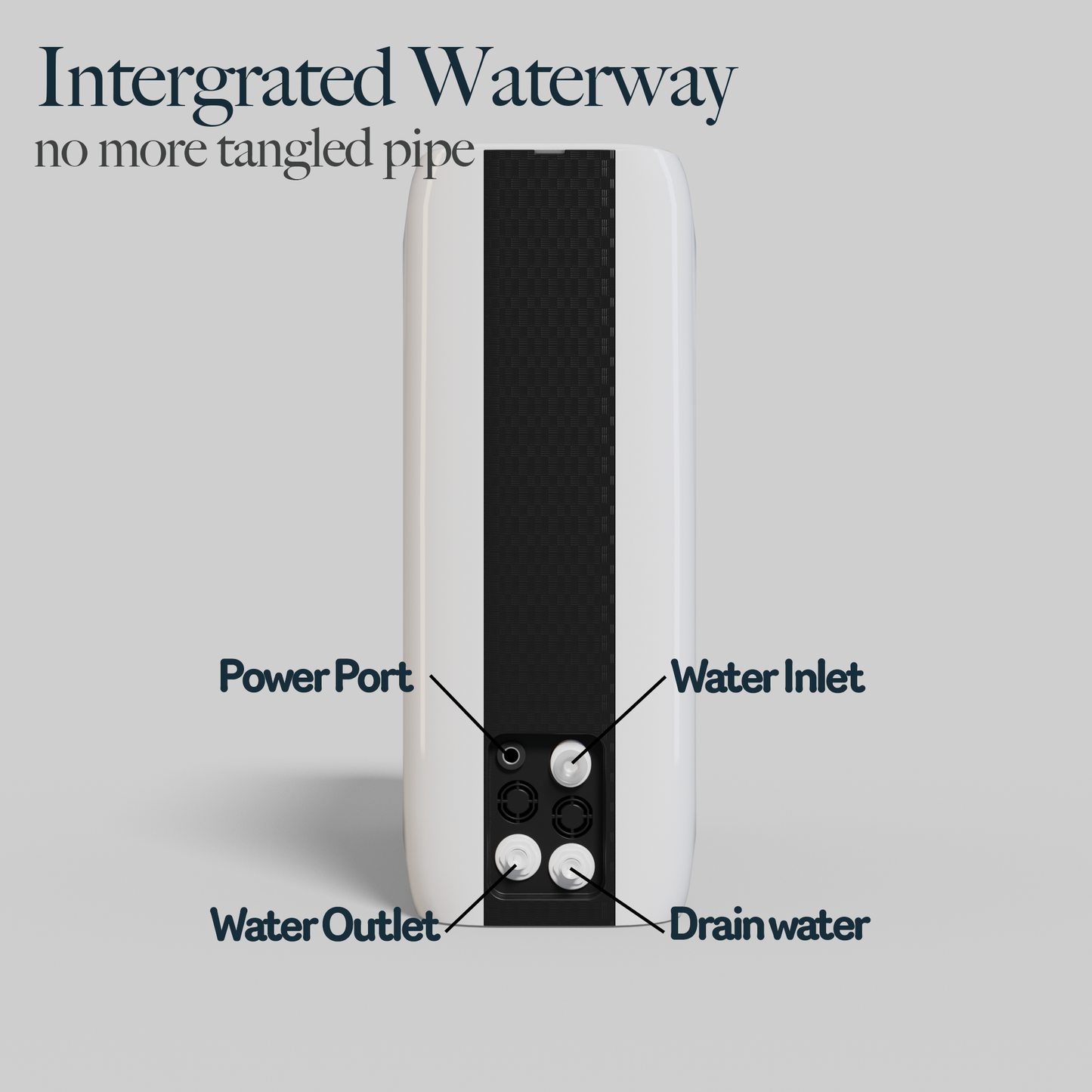
| Installation | Multiple connections and steps. | 3-Tube connection. | True DIY installation. |
Addressing the Objections: Are Tankless Systems Slower?
One common myth that old-school plumbers repeat is that "tankless systems are too slow." This was true in the early 2000s, but it's completely false today.
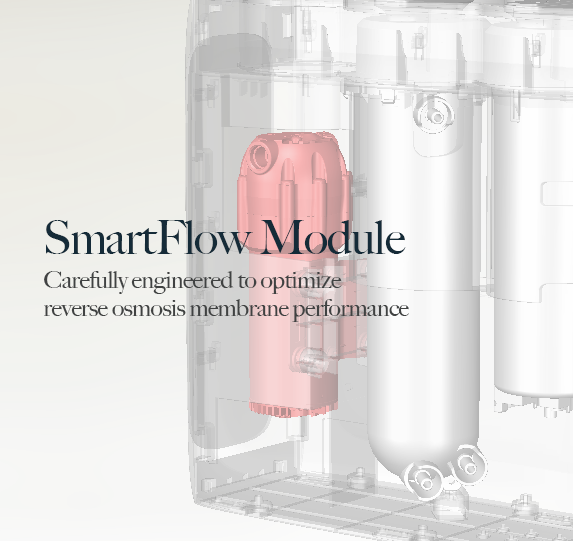
An older system relied on the tank for flow. A modern tankless RO system relies on its internal pump. By utilizing a massive 800 GPD (Gallons Per Day) pump and membrane, the AquaByte RO can fill a standard glass in just a few seconds all because of the SmartFlow Module.
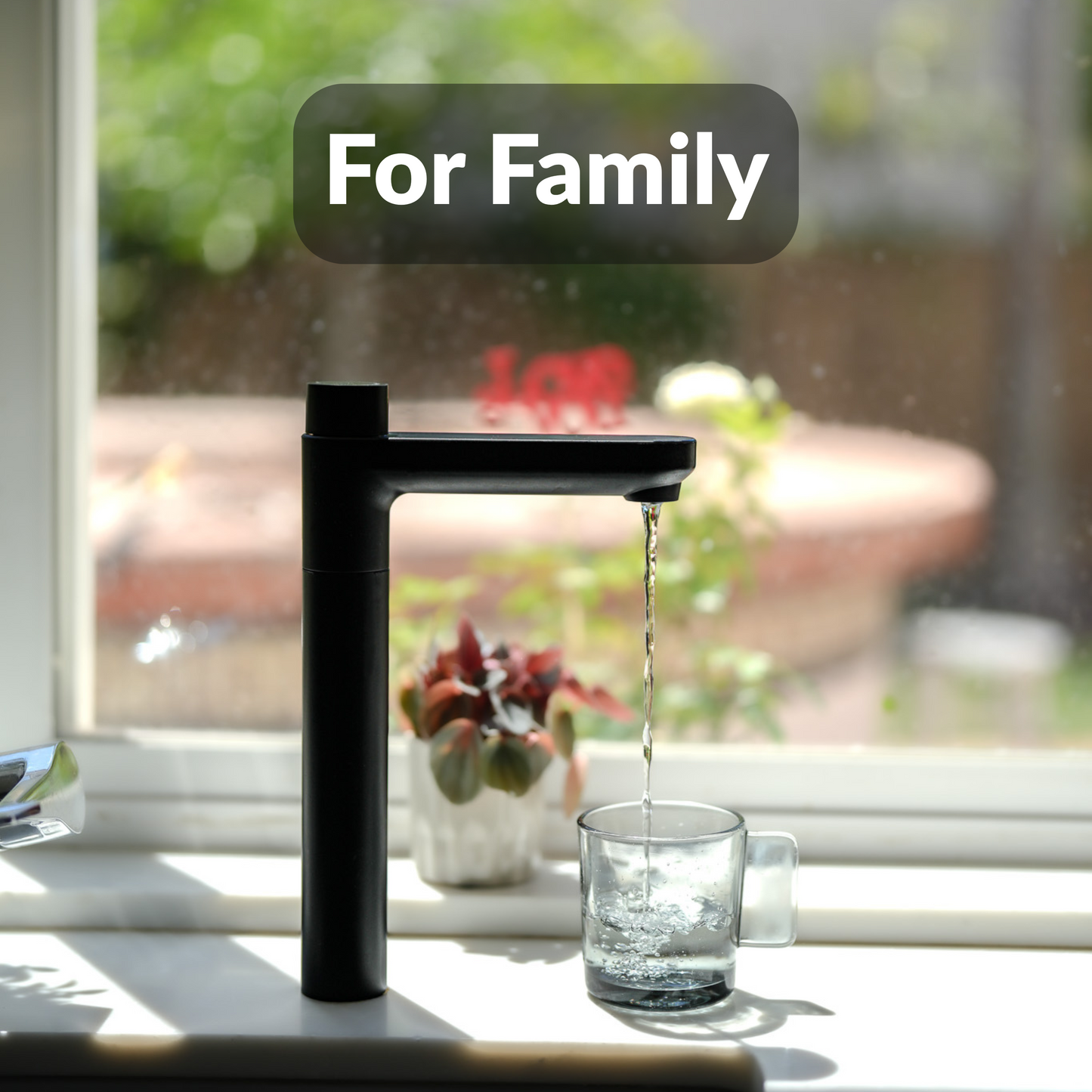
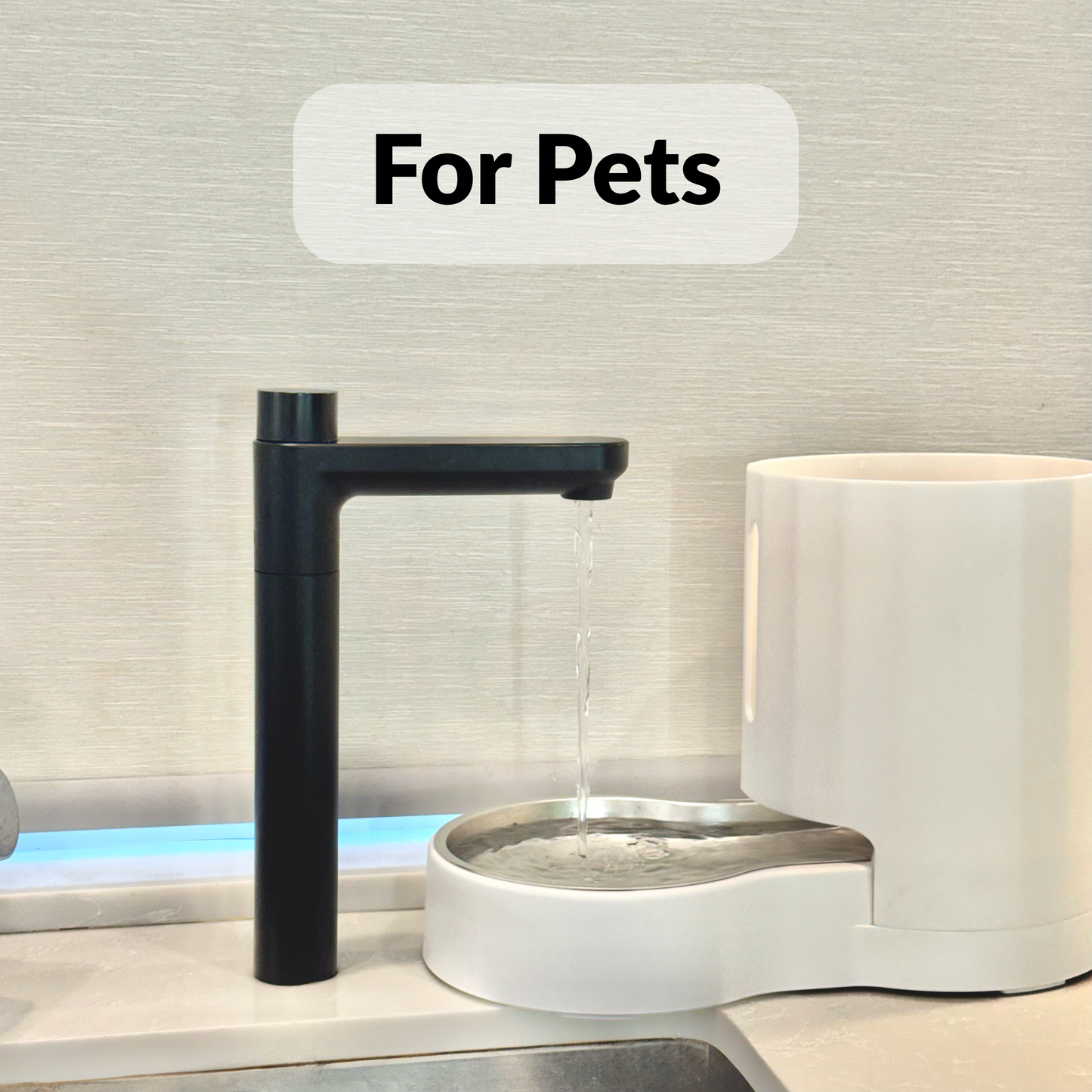
It provides a flow rate that feels exactly like your normal faucet. No waiting, no "trickle" [2].
 [AquaByte SmartFlow Module (internal pump)]
Future-Proof Your Kitchen (Reclaim Your Space!)
An RO system is an appliance you are going to use every single day for the next decade. Do you want to dedicate half your cabinet space to an old-school metal tank that holds stale water, or do you want a sleek, modern, hygienic machine that makes fresh water instantly?
Reclaim your storage space and stop worrying about what’s growing in your tank.

The Up-Sell: The Hygienic Choice (With the Perfect Coffee Water)
Don't settle for "yesterday's specs." The AquaByte RO is the professional choice for a clean, modern home. By going tankless, you are choosing freshness, hygiene, and incredible kitchen convenience.
☕ Obsessed with your morning espresso? Learn why top baristas refuse to use tap water. Check out our deep dive: [The "Blank Canvas" Method: How to Brew Barista-Quality Coffee with RO Water] to protect your expensive machine and perfect your extraction.

Ready to Make the Switch? 👉 [Shop the AquaByte RO Tankless System]
Expert Citations & Sources
- [1] Water Quality Association (WQA) / NSF International: "Hygienic conditions in water treatment and storage systems." (Study identifying that biofilm can form on rubber and metal surfaces in pressurized tanks, leading to taste and odor issues.)
- [2] World Health Organization (WHO): "Guidelines for Drinking-water Quality, Fourth Edition." (Section on small tank hygiene emphasizing the need for regular sanitization to control microbial regrowth.)