
Bottled Water vs. Water Purifier: Why It’s Time to Switch and Start Saving.
The Convenience Trap

We get it. Buying cases of bottled water from the supermarket feels convenient. It seems like the safest, easiest way to get pure water. But have you ever stopped to consider what that convenience is actually costing you? Not just in money, but in time, hassle, and environmental impact.
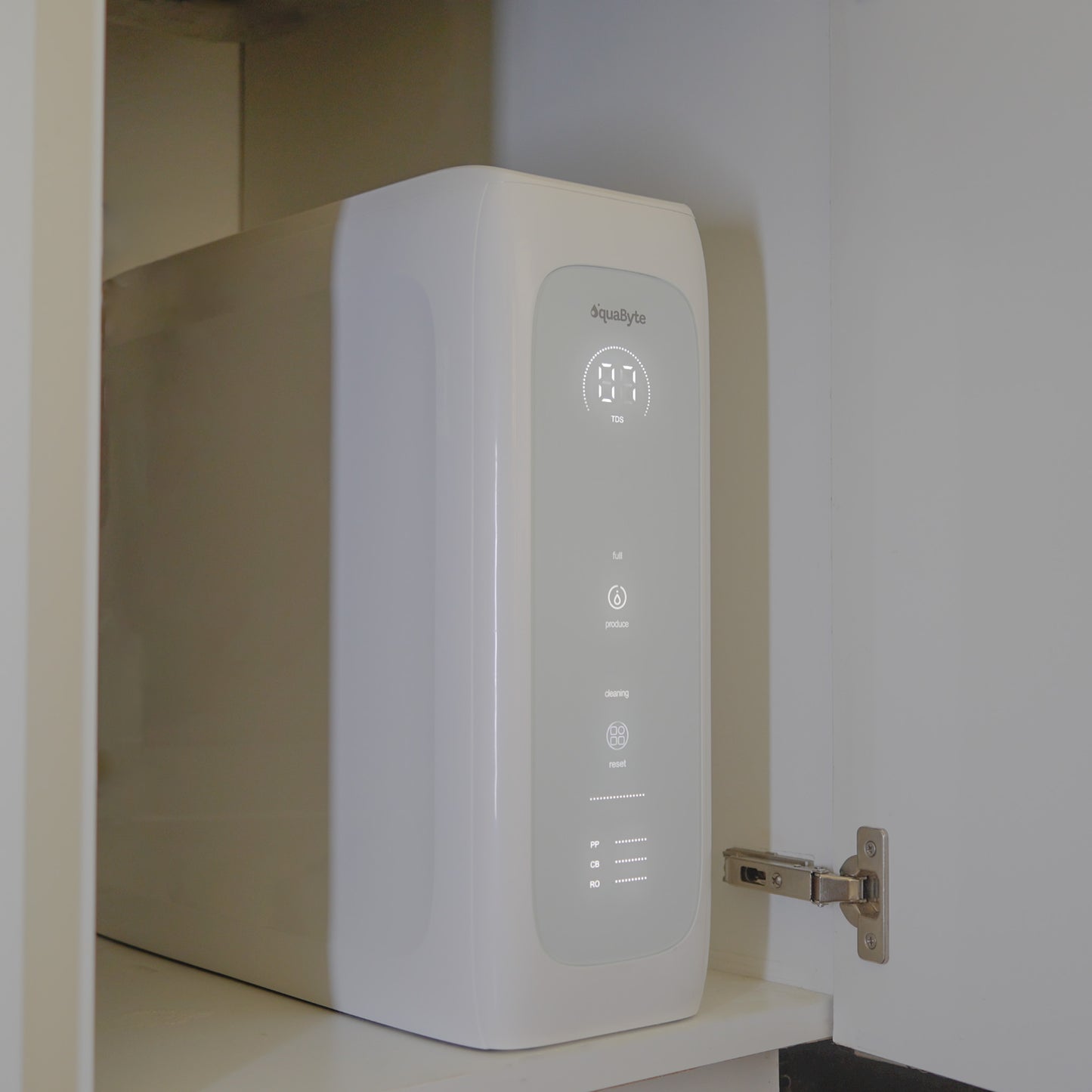
The reality is, the average person spends hundreds of dollars a year on bottled water that might not even be as pure as they think. In this post, we’re going to look at the real difference between relying on bottled water and installing a modern under-sink water purifier like the AquaByte RO.
[What is the difference between bottled water and a water purifier? A home water purifier is significantly cheaper and often cleaner than bottled water. While bottled water costs an average of $500+ per year and generates massive plastic waste, a Reverse Osmosis (RO) water purifier provides unlimited, on-demand, molecularly pure water straight from your sink for a fraction of the long-term cost.]

Let’s be real for a second.
We’ve all been there—standing in the grocery store aisle, tossing two massive, 40-pound cases of bottled water into the bottom of the cart. It’s annoying to lift, it takes up half your trunk, and it eats up a ridiculous amount of space in your pantry.
We do it because we want clean, safe water for our families. It feels like the easiest option. But is it actually the best option?
If you are still buying bottled water, you are likely losing money, wasting time, and drinking water that might not even be as pure as you think. Here is why making the switch to an under-sink water purifier is the smartest upgrade you can make for your kitchen this year.
The Money: The Hidden Cost of the Grocery Haul
Most of us don't really track how much we spend on bottled water because it’s just a small $5 to $7 charge on the weekly grocery bill. But it adds up incredibly fast.
Let’s look at the real math for a family that goes through just two cases of water a week:
- Weekly Cost: ~$12
- Yearly Cost: ~$624 spent entirely on plastic bottles.
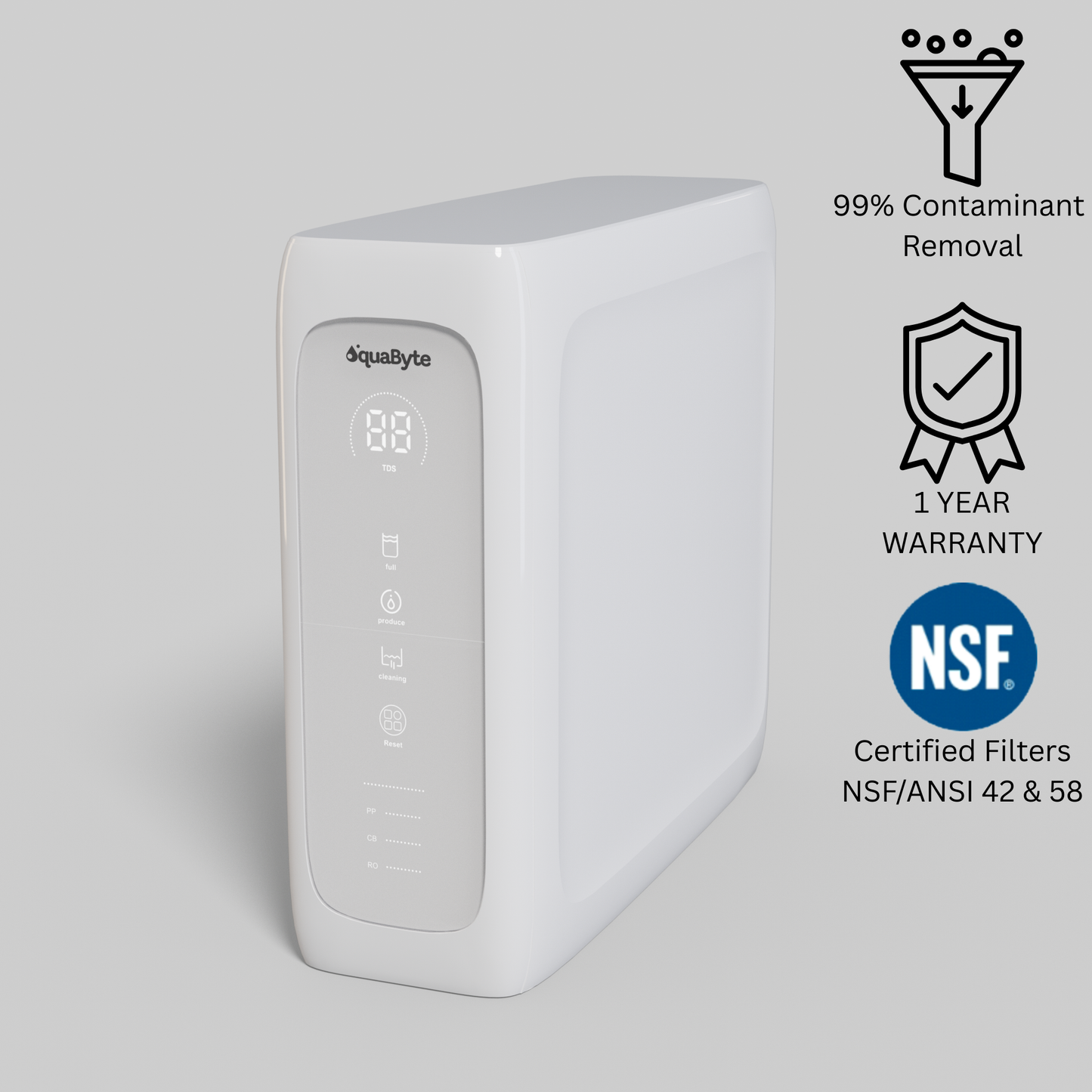
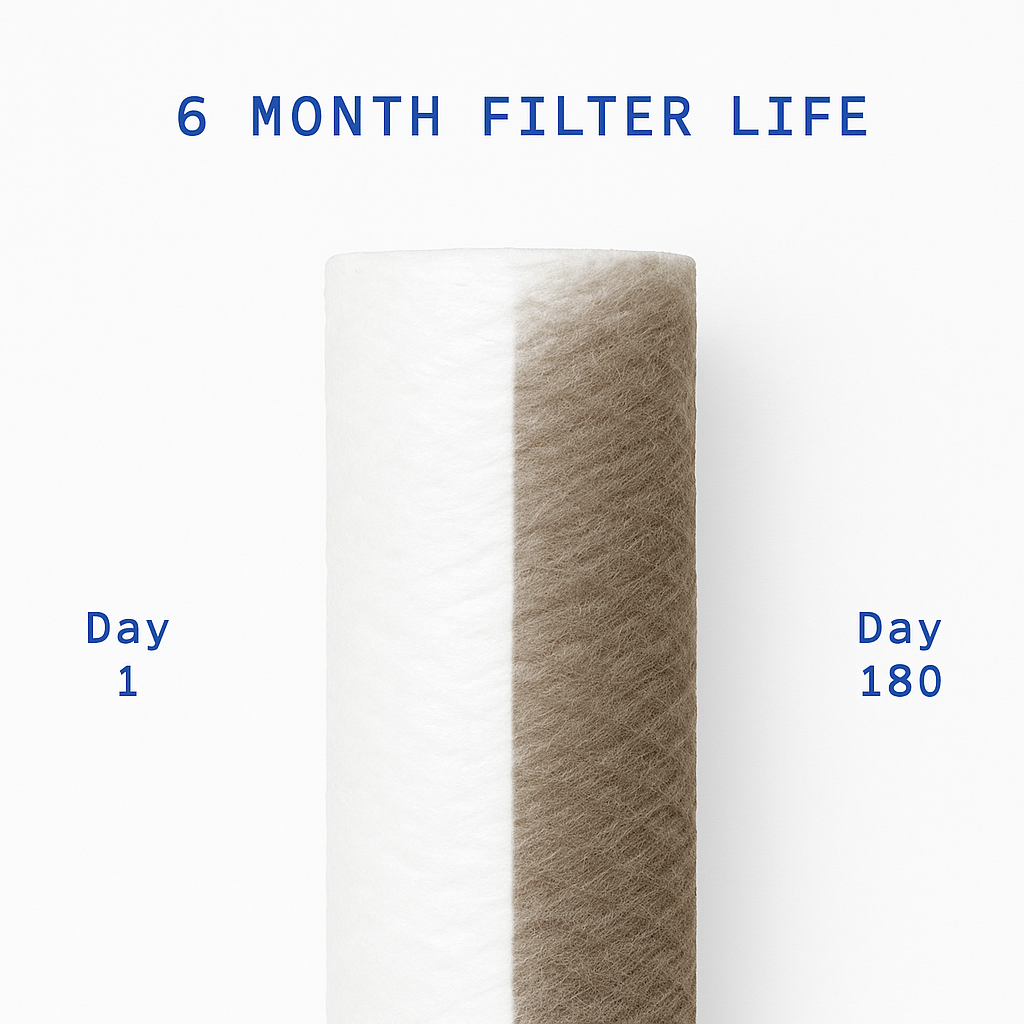
When you install a modern system like the AquaByte RO, the math completely flips. Yes, there is an upfront cost to buy the machine. But after that, your only cost is replacing the filters. In a lot of households, an AquaByte RO pays for itself in the very first year. After that? You’re just keeping that $600 in your pocket every single year.
The Purity Myth: Is Bottled Water Actually Cleaner?
Here is the secret the beverage industry doesn't want you to think about: a huge percentage of bottled water is literally just filtered municipal tap water [1]. You are essentially paying a massive markup for a plastic bottle and a nice label. Furthermore, recent studies have found microscopic plastic particles (microplastics) in 93% of popular bottled water brands [2].
When you use a high-end Reverse Osmosis system, you take total control of your water quality.
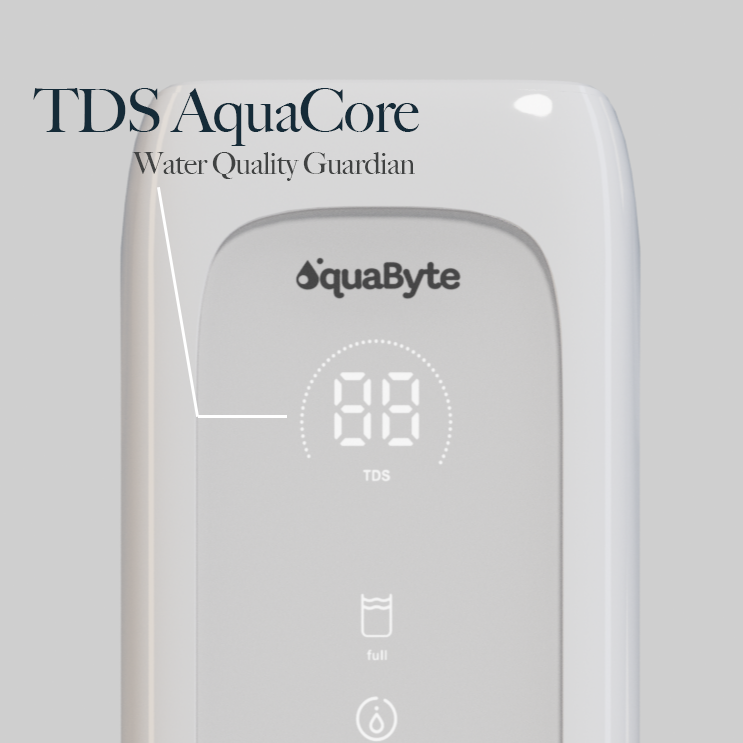
- The AquaByte Standard: The AquaByte RO system strips your tap water down to the molecular level, consistently hitting <10 TDS (Total Dissolved Solids).
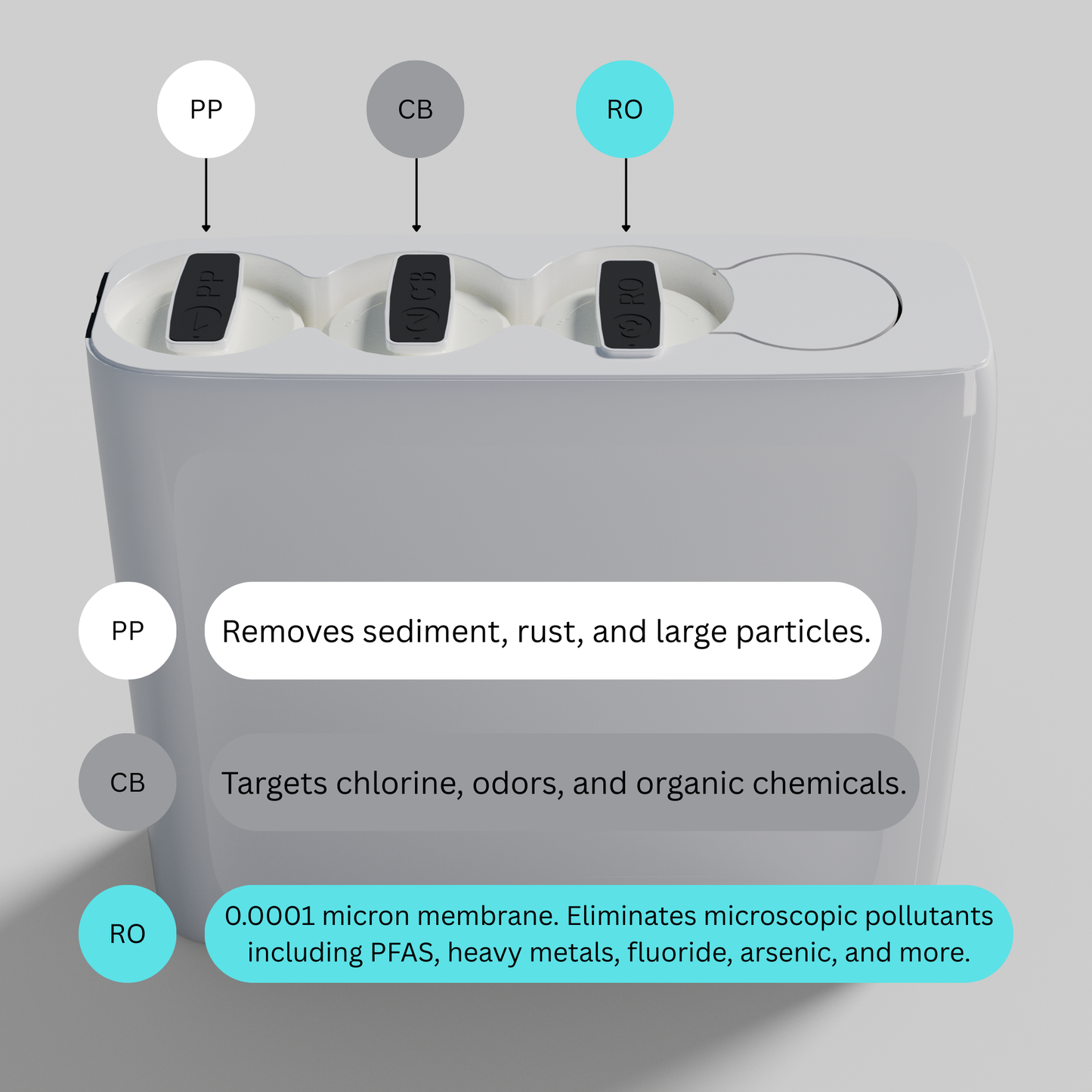
- Zero Microplastics: Because the RO membrane filters down to 0.0001 microns, it physically blocks heavy metals, microplastics, and forever chemicals (PFAS). You get crisp, ultra-pure water that actually tastes like nothing.
The Convenience Factor
Think about the lifecycle of a case of water. You lift it into the cart, lift it into the car, carry it into the house, find a place to store it, put a few in the fridge, drink them, and then deal with the empty plastic bottles.

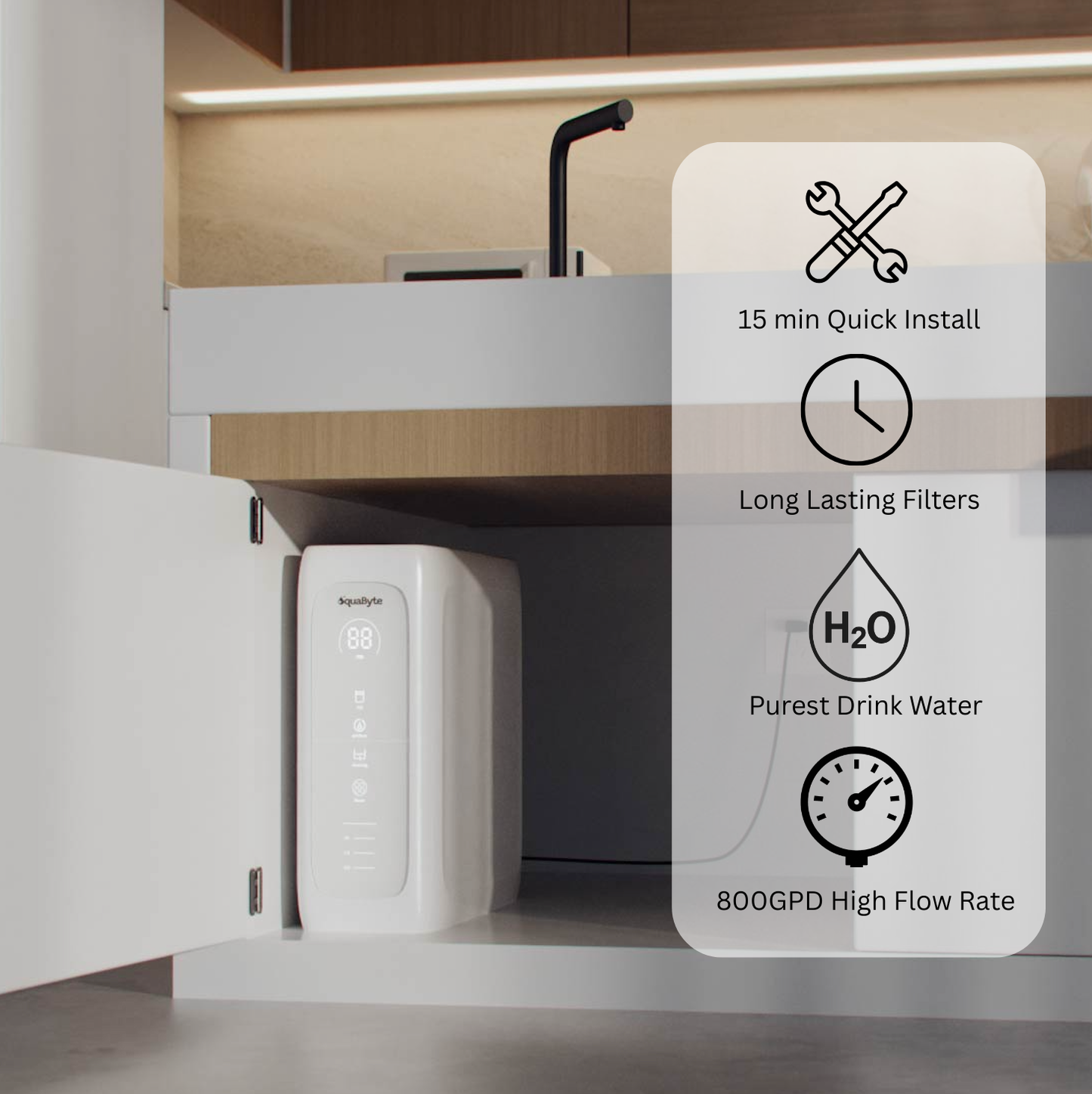
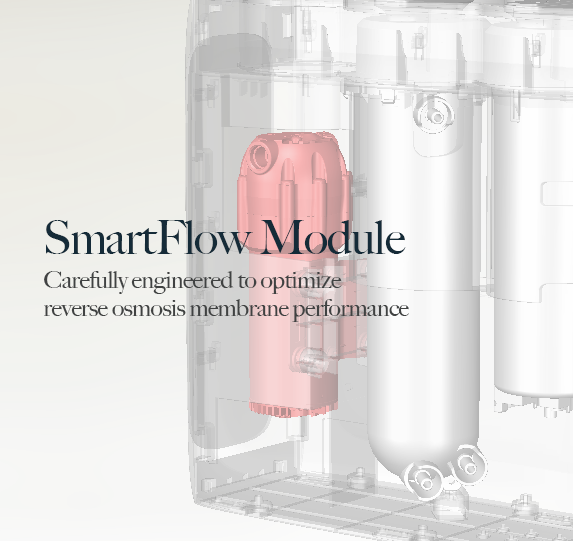
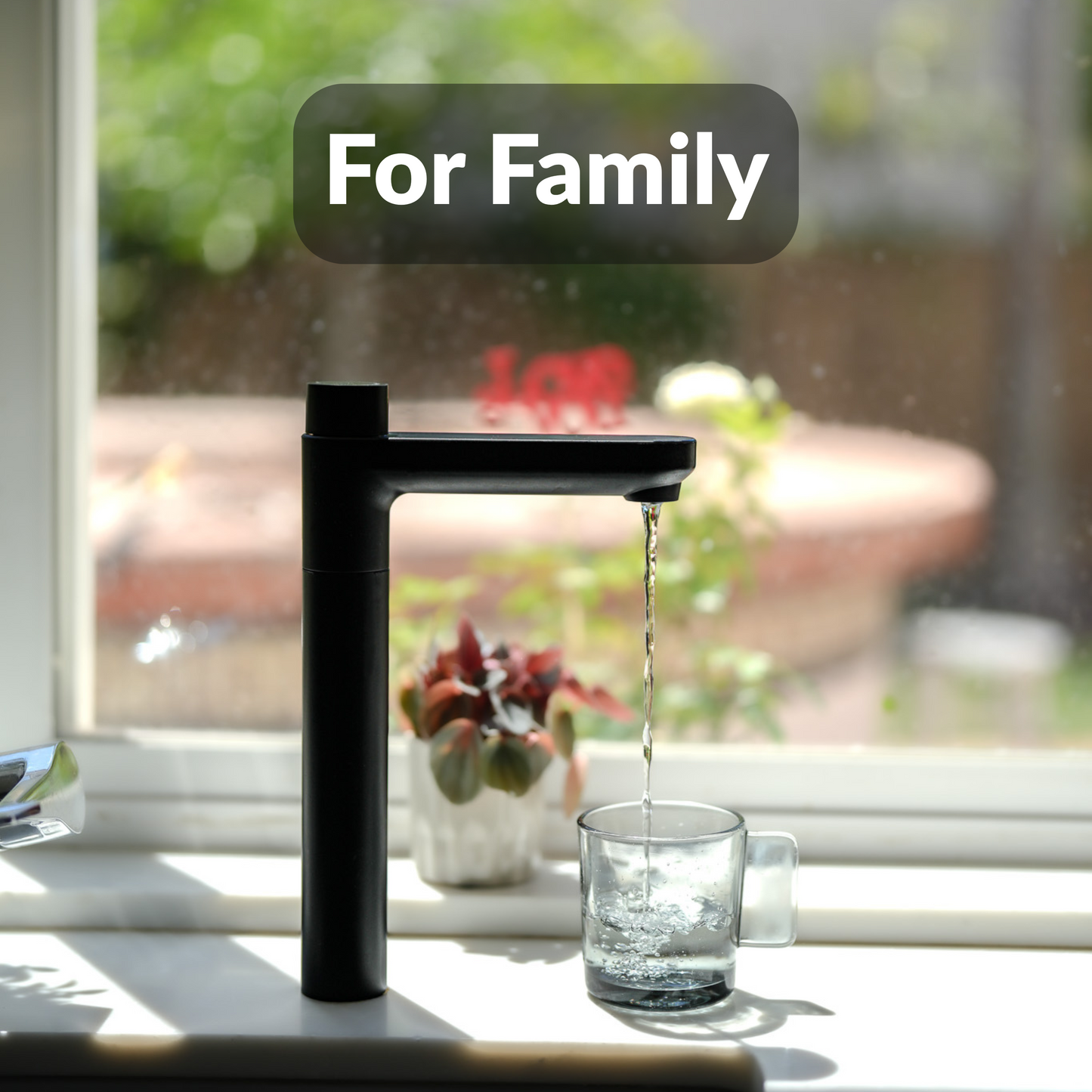
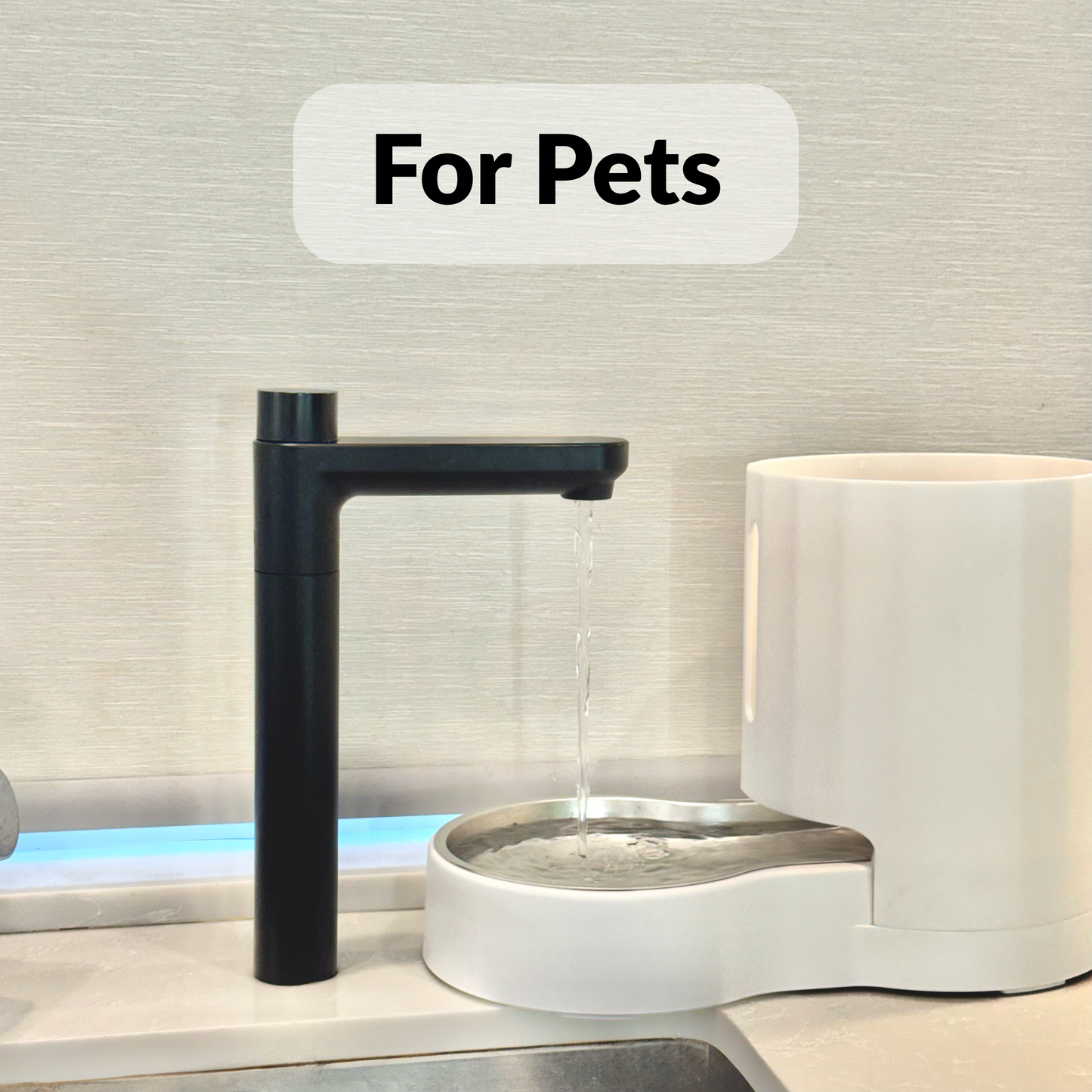
With a tankless purifier, your "water haul" is walking three feet to your sink. Because the AquaByte RO uses an advanced, high-flow pump, there’s no annoying trickle. You turn the handle, and it fills your glass or your coffee pot in seconds. It’s unlimited, pure water on tap, exactly when you need it.
The Plastic Guilt

We can't talk about bottled water without mentioning the environmental impact. Even if you are religious about the recycling bin, the statistics are grim. In the U.S. alone, people throw away roughly 60 million plastic water bottles every single day, and the vast majority end up in landfills or the ocean [3].
Ditching the single-use bottles and filling up a reusable Yeti or Stanley cup from your own tap is one of the easiest, most impactful ways to shrink your household's plastic footprint overnight.

The Bottom Line
Buying bottled water is a habit, and habits are hard to break. But once you experience the convenience of having ultra-pure, instant water right at your sink, you will genuinely wonder why you spent so many years hauling heavy plastic cases from the supermarket.
Ready to stop renting your water and start owning it? 👉 [Click here to upgrade your kitchen with the AquaByte RO Tankless System.]
Sources & Further Reading
- [1] Food and Water Watch: "Report: Bottled Water is Often Just Tap Water" (Link to foodandwaterwatch.org report on bottled water sources).
- [2] World Health Organization / State University of New York: "Synthetic polymer contamination in bottled water" (Study finding microplastics in 93% of tested bottled water).
- [3] Container Recycling Institute: "Bottled Water Waste Facts" (Data on daily plastic bottle disposal rates in the US)